












Sabah has launched three key initiatives to strengthen sea turtle conservation and sustainable tourism.
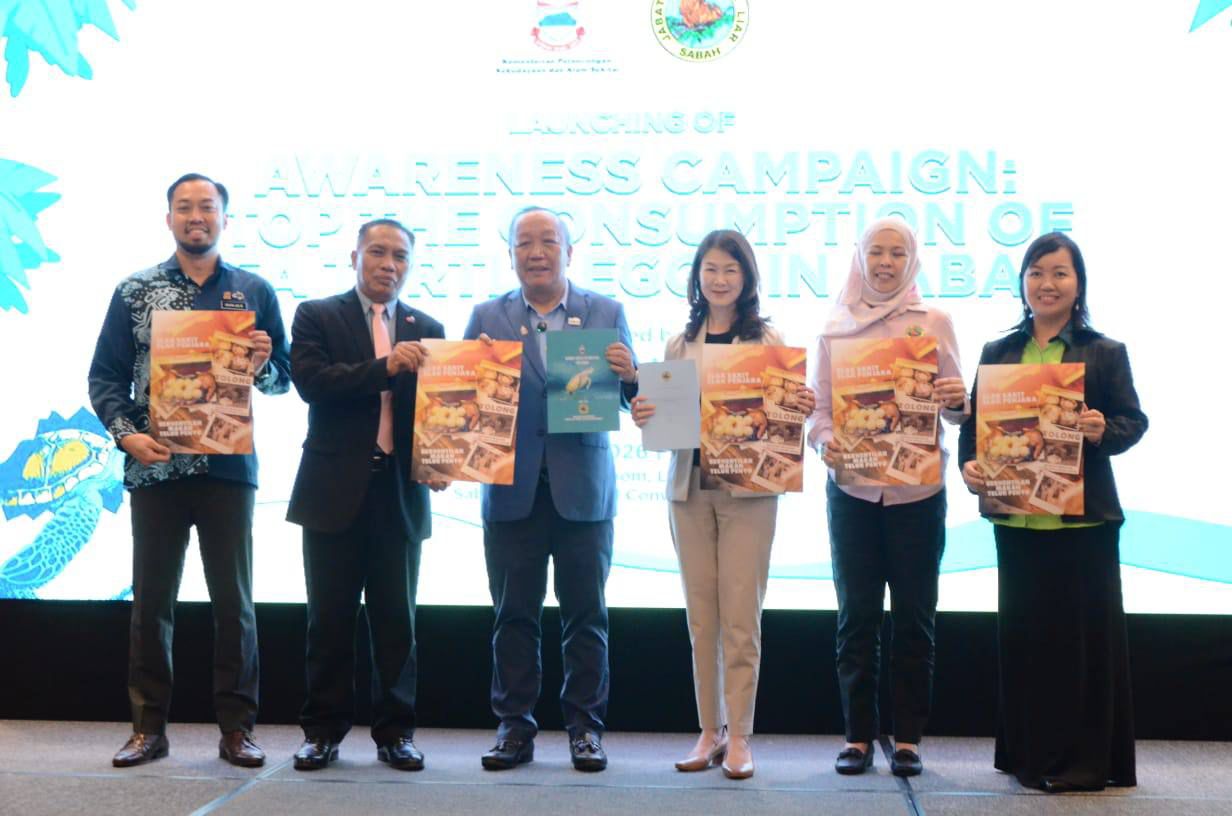
These are the Sabah sea turtle action plan, the standard operating procedures (SOPs) for turtle hatcheries in Sabah, and a comprehensive behavioural change campaign to address the consumption of turtle eggs.
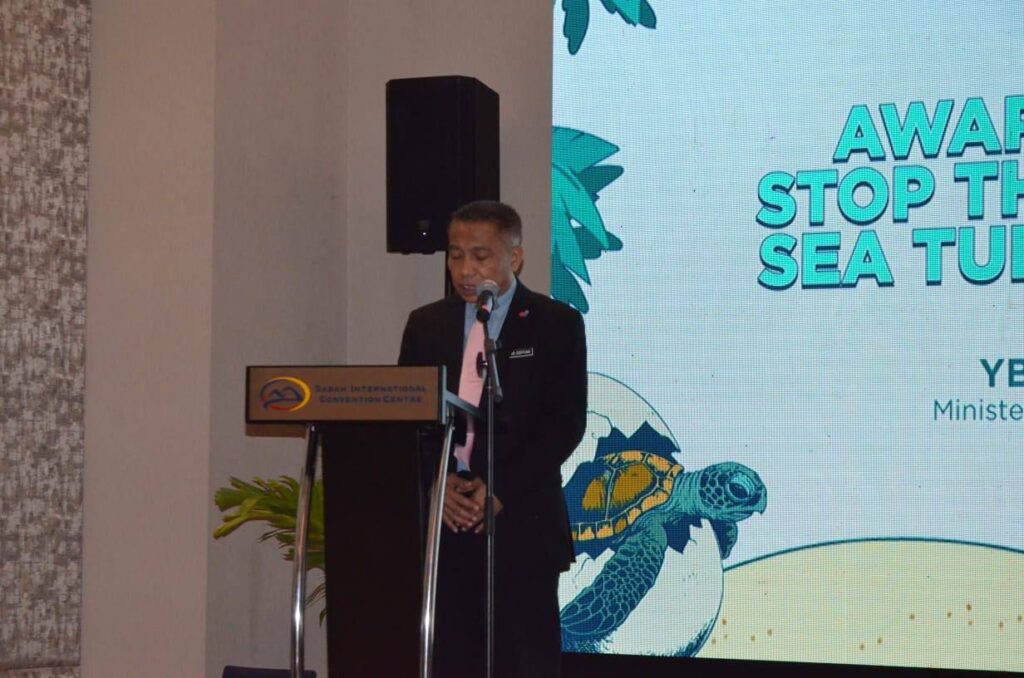
Tourism, Culture and Environment Minister Datuk Jafry Ariffin said the move represents a significant step in safeguarding one of the state’s most iconic marine species.

“Under the Wildlife Conservation Enactment 1997, the green turtle, hawksbill turtle and olive ridley turtle are classified as totally protected species in Sabah.
“Any offence involving these species carries serious penalties, including fines ranging from RM50,000 to RM250,000, and imprisonment of between one and five years,” he said at the launch of the Behaviour Change on Turtle Egg Consumption Campaign at the Sabah International Convention Centre.
He said the action plan serves as a comprehensive guide for stakeholders, outlining clear priorities and coordinated efforts to protect sea turtles effectively.
He urged all stakeholders, including government agencies, researchers, non-governmental organisations and donors, to use the action plan as a reference point and contribute towards its intended outcomes.
He said the SOPs are designed to ensure that hatchery programmes, conducted by stakeholders in partnership with the Sabah government, are managed responsibly and effectively.
Grounded in scientific approaches, the guidelines prioritise animal welfare while ensuring conservation objectives are not compromised.
“Well-managed hatcheries and responsible wildlife interactions will provide meaningful experiences for visitors while preserving our natural heritage,” he said.
He said the behavioural change campaign to address the consumption of turtle eggs requires a shift in mindset.
“This campaign calls on all stakeholders to help spread the message and raise awareness across all levels of society,” he said.
He urged agencies and local authorities, including district offices, municipal councils and city halls, to ensure the campaign reaches a wider audience.
He added that the media also plays a vital role in amplifying the message.
“By reducing demand, we can stop the smuggling of turtle eggs, protect our marine biodiversity and strengthen Sabah’s image as a premier ecotourism destination.
“Ultimately, this will also contribute to broader efforts to address illegal cross-border activities,” he said.
Meanwhile, Sabah Wildlife Department director Mohd Soffian Abu Bakar said the action plan was developed through extensive consultations between 2022 and 2023, and finalised in 2025 with technical support from WWF-Malaysia, together with government agencies, NGOs, universities, enforcement bodies and the tourism industry.
He said sea turtles remain an integral part of Sabah’s natural heritage and tourism identity, from Sandakan to Kudat, and from Kota Belud to Kota Kinabalu, as well as Tawau and Semporna.
He said the islands of Semporna are globally recognised for their rich marine biodiversity, attracting divers and visitors from around the world, but this natural asset is under increasing pressure.
He said the updated SOPs cover hatchery management, turtle tagging, rehabilitation and turtle-based tourism practices.
Currently, he said there are 16 hatcheries operating outside protected areas in Sabah under formal agreements between the department, local communities and the tourism sector, with support from NGOs.
He added that well-managed hatchery programmes provide educational and responsible tourism experiences, particularly in Semporna, where marine tourism is a key economic driver.
“Illegal harvesting and smuggling of turtle eggs, often originating from neighbouring countries where such practices are still permitted, continue to undermine our conservation efforts,” he said.
In 2025, he said the department recorded five wildlife crime cases involving sea turtles, with 1,716 turtle eggs and parts confiscated.
In 2024, one case was recorded involving 3,494 eggs.
In 2023, six cases were recorded, with more than 11,142 eggs seized.
“These figures show that illegal trade is ongoing and must be addressed decisively,” he said.
Also present were Sabah Tourism, Culture and Environment Ministry permanent secretary Datuk Josie Lai and Sabah Parks director Datuk Dr Maklarin Lakim.